Event Management Software in 2026 (Top Tools)
Planning a high-stakes gathering without the right event management software is like trying to conduct a massive orchestra with a toothpick. You might produce sound, but the harmony will be lost in the technical chaos. In 2026, where “phygital” (physical + digital) experiences are the gold standard, your choice of platform isn’t just a administrative decision—it’s the digital backbone of your brand’s global reputation.
As we navigate this guide, we will explore why the global event management software market is shifting toward AI-driven personalization and how you can leverage these tools to save hundreds of hours in manual labor.
The Vision Behind Event Architecture
Sarah Jenkins is a veteran Event Technologist with 15 years of experience in scaling global summits. Having transitioned from manual spreadsheets to AI-driven logistics, Sarah now consults for Fortune 500 companies on selecting event management software tools that prioritize data privacy and attendee immersion. Her “Safety-First” approach ensures that even the most complex virtual environments remain secure and user-friendly.
2026 Event Tech Snapshot: Performance Metrics
| Feature | Impact Level | Best For | Technical Spec |
| AI Matchmaking | High | B2B Networking | NLP Algorithms |
| Open Source | Medium | Customization | GitHub/API Access |
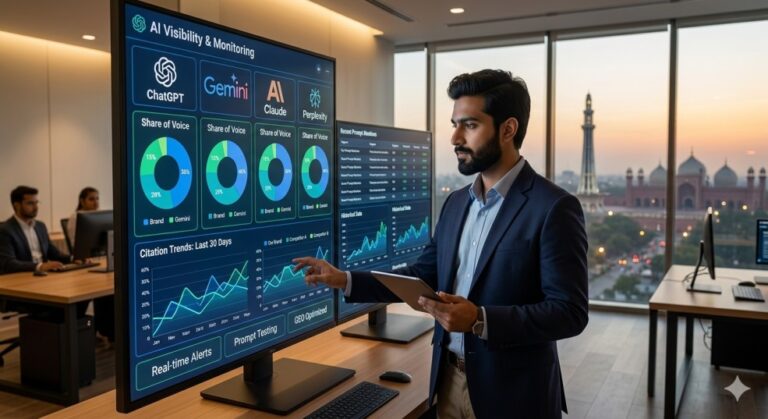
| Real-time Analytics | Critical | ROI Reporting | Live Dashboards |
| Mobile Integration | Essential | On-site Engagement | Native iOS/Android |
Navigating the 2026 Event Tech Landscape
The digital transformation of the last few years has forced event management software companies to innovate faster than ever. Whether you are looking for event management software in India to handle the massive scale of regional conferences or searching for event management software Australia to comply with strict local data residency laws, the core “Roadmap” to success remains the same:
1. The Foundation: Frictionless Registration
The first touchpoint is the most critical. Top event management software examples like Cvent or Bizzabo focus on reducing “signup fatigue.” In 2026, this means one-click registration using decentralized IDs.
If you are using social media to drive these registrations, privacy is a major concern for your VIP guests. For instance, if you’re leaking exclusive “behind-the-scenes” content to build hype, you should know: can you see if someone screenshots your Instagram story to ensure your marketing assets aren’t being stolen before the big reveal.
2. The Engagement Toolbox: Beyond the Screen
Modern management solutions are no longer just database managers; they are engagement engines. To keep a 2026 audience focused, your toolbox must include:
-
Hyper-Personalized Agendas: AI that suggests sessions based on an attendee’s LinkedIn profile.
-
Live Sentiment Analysis: Real-time heatmaps that show organizers which speakers are trending.
-
AR Wayfinding: Helping in-person attendees find booths using their phone cameras.
3. Niche Solutions: Nonprofits & Open Source
Not every event has a corporate budget. For community-driven projects, event management software for nonprofits offers specialized features like tax-receipt automation and volunteer hour tracking. Meanwhile, for tech-heavy organizations, event management software open source frameworks allow for total code-level control, ensuring that your data never leaves your private cloud.
Why This Topic is Essential Right Now
In 2026, we are seeing “Data Fatigue.” Attendees are tired of giving their email addresses to every platform. This is why the event management software market is moving toward unified ecosystems.
-
Efficiency: Automating the “Check-in” process saves an average of 4 minutes per attendee.
-
Sustainability: Digital-first platforms have reduced paper waste in the event industry by 70%.
-
Data Sovereignty: With new global regulations, the ability of your event management software tools to handle encryption is a legal necessity, not a luxury.
Integrating Software with a Checklist
Even the most expensive event management software will fail without a strategic process. Think of the software as your high-performance car and a checklist as your GPS. One cannot reach the destination efficiently without the other. To ensure you don’t miss critical deadlines like speaker contracts, catering cut-offs, or A/V rehearsals, you need a step-by-step roadmap that works in tandem with your digital platform.
Pro Tip: Before you start inputting data into your chosen platform, follow this Comprehensive Event Planning Checklist to organize your milestones from 6 months out down to the day of the event.
Who Needs This Technology?
-
Corporate HR Managers: For internal training and “Town Hall” meetings where security is paramount.
-
Trade Show Organizers: Who need event management software free versions for small exhibitors but high-scale capacity for the main floor.
-
Educational Institutions: Using event management software in India to manage hybrid campus placements and alumni meets.
The Next 12–36 Months (The AI Revolution)
As we look toward 2027, the role of event management software companies will evolve into “Experience Orchestrators.”
-
Predictive Logistics: AI will predict food and beverage needs based on historical weather patterns and attendee demographics.
-
Digital Twins: Planners will walk through a 3D “Digital Twin” of the venue within their software to test line-of-sight for every seat.
-
Post-Event Longevity: Software will automatically turn recorded sessions into “Short-form Reels” for social media, extending the life of the event by months.
Conclusion:
Choosing the right event management software is a strategic move that defines the boundary between a “good” event and a “legendary” one. From exploring the global event management software market to testing out event management software free tiers for smaller workshops, the ultimate goal remains the same: creating meaningful human connections through digital excellence.
Take the leap today—audit your current stack, consult with experts, and build an event that people will talk about for years.
Advanced FAQ (People Also Ask)
1. Is there any good event management software free for small teams in 2026?
Yes, platforms like RSVPify and certain tiers of Eventbrite offer free services for limited attendee counts, though they usually keep a small percentage of ticket sales.
2. Which event management software for nonprofits is best for large-scale fundraising?
Platforms like Classy or Givebutter are the 2026 leaders, specifically because they integrate peer-to-peer fundraising directly into the registration flow.
3. What are the best event management software examples for hybrid events?
Bizzabo and Hopin (now part of the RingCentral ecosystem) remain top choices for balancing the needs of both physical and virtual attendees.
4. How secure is event management software open source for sensitive corporate data?
It is extremely secure because you own the “Source Code.” Unlike SaaS models, you aren’t at the mercy of a third-party provider’s security patch schedule.
5. Why is event management software Australia compliance so important?
Australia has specific laws (like the APPs) regarding where data is stored. Many Australian planners prefer local versions of tools to ensure data doesn’t cross borders illegally.
6. Can event management software in India handle local payment methods like UPI?
Absolutely. In 2026, any tool entering the Indian market must support UPI, Razorpay, or Paytm to be considered viable by local organizers.