AI Creative Tools News: Latest Updates 2026
The AI creative tools news landscape is evolving rapidly in 2026, bringing groundbreaking updates for artists, designers, writers, and content creators. With artificial intelligence powering tools that assist in art generation, music composition, storytelling, and image editing, staying updated is no longer optional. These tools are transforming creative workflows, enhancing productivity, and unlocking new levels of innovation.
AI creative tools are reshaping not just the way content is produced but also how professionals think about creativity itself. From automated image editing to AI-driven music composition, these innovations offer both practical efficiency and a fresh approach to artistic exploration.
Introduction: How AI Is Shaping Creativity in 2026
Creative industries have traditionally relied on human skill, intuition, and manual effort. However, repetitive tasks such as formatting, image resizing, or draft generation can slow down production. AI creative tools now address these pain points by automating mundane tasks and allowing creators to focus on ideation and refinement.
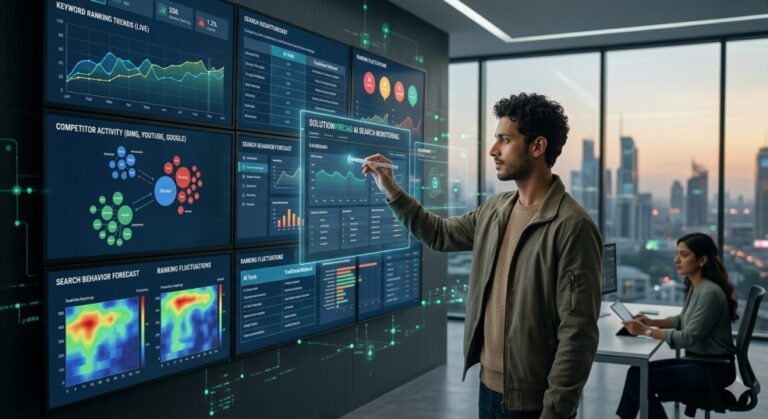
For instance, designers can leverage AI image editing software to generate variations instantly, while writers can use AI tools to draft compelling content faster. Businesses, agencies, and freelancers alike are increasingly adopting these solutions to remain competitive and innovative. To monitor creative output and performance effectively, combining AI creative tools with platforms like AI search monitoring tools or Ziptie AI Search Performance Tool can provide actionable insights for optimization.
What Are AI Creative Tools?
AI creative tools are software platforms that utilize artificial intelligence to assist humans in producing creative work. Unlike traditional software that requires manual input for every action, AI tools can generate suggestions, automate repetitive tasks, and predict trends based on user behavior and datasets.
Types of AI Creative Tools
-
Art Generators: AI platforms that produce digital art, illustrations, and graphic design assets.
-
Music Composition Tools: Platforms that create melodies, soundscapes, or assist in mixing tracks.
-
Writing and Storytelling Tools: AI-driven assistants for drafting articles, scripts, and narratives.
-
Video and Image Editing Software: Tools that automate background removal, style transfer, and enhancement.
These tools are widely used by freelancers, agencies, marketers, and enterprises, enabling creativity at scale.
Latest AI Creative Tools Announcements
Art and Design Tools
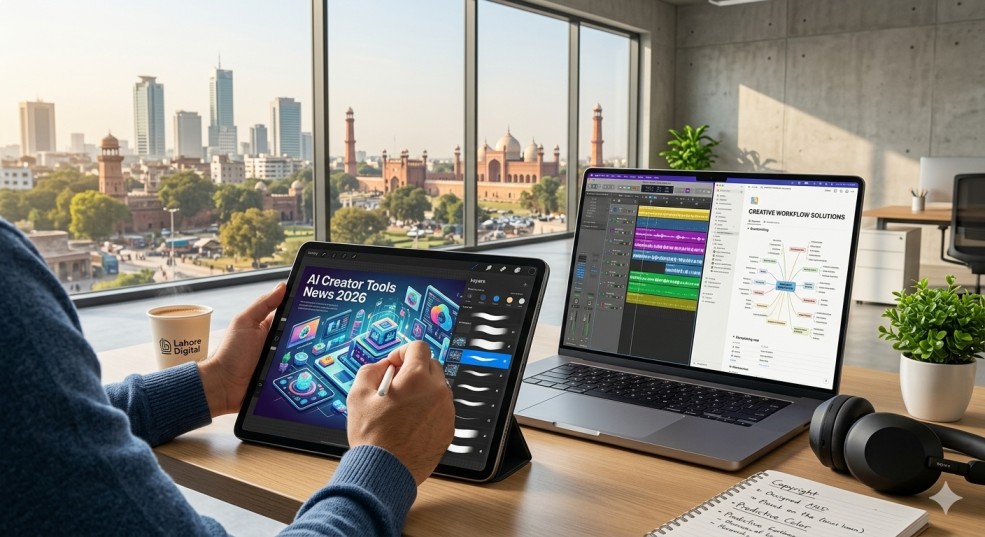
In 2026, several AI-powered image editing platforms have launched updates that streamline creative work. Tools like Adobe Firefly now offer real-time style transfer, AI-assisted layer management, and predictive color suggestions for designers. These updates reduce manual adjustments while enhancing the overall creative output.
Writing and Storytelling Tools
AI platforms for writers have advanced significantly, offering context-aware suggestions, plot development assistance, and SEO-friendly content drafts. Tools that previously only assisted with grammar and sentence structuring now help generate full storylines, marketing copy, and blog content, saving time for content teams.
Music and Audio Tools
AI-driven music platforms can now compose complex melodies, suggest harmonies, and even replicate instrument styles. These tools are particularly valuable for indie artists, video content creators, and game designers seeking unique soundtracks quickly.
Research and Experimental Tools
Organizations like DeepMind and IBM continue to push the boundaries of AI in creative research. Their tools focus on experimental applications, including adaptive learning algorithms for art and predictive AI models that identify trends in music and literature.
How AI Tools Solve Creative Challenges
Automating Repetitive Tasks
Tasks like resizing images, formatting text, or generating multiple design variations can consume hours. AI tools automate these workflows, freeing creators to focus on higher-level creativity.
Enhancing Creativity
By generating multiple design options or story drafts, AI tools help users explore ideas they might not have considered manually. This approach expands creative possibilities without replacing the human touch.
Collaboration and Workflow Efficiency
Modern AI creative tools integrate with cloud platforms and team management software, enabling real-time collaboration, shared assets, and streamlined project management.
Overcoming Skill Gaps
Beginners and non-technical users can produce professional-quality work by leveraging AI suggestions. Tools act as a learning companion, guiding the user while maintaining high output quality.
Benefits of Using AI Creative Tools
-
Productivity Boost: Tasks that once took hours can now be completed in minutes.
-
Expanded Creative Horizons: AI generates new styles, ideas, and perspectives.
-
Accessibility: Solo creators or small teams can achieve results previously reserved for large agencies.
-
Predictive and Adaptive Features (2026): Modern AI predicts trends, suggests improvements, and adapts to individual workflow habits.
-
Competitive Advantage: Agencies and businesses that adopt AI creative tools early gain faster innovation cycles and higher-quality output.
Step-by-Step Guide to Adopting AI Creative Tools
Step 1: Identify Workflow Needs
Assess which parts of your creative process are repetitive, time-consuming, or error-prone. This step ensures that you select tools that solve real challenges.
Step 2: Select the Right Tools
Consider features, pricing, integration capabilities, and user-friendliness. For SEO and performance-driven workflows, combining AI creative tools with AI search monitoring tools can provide actionable insights.
Step 3: Test and Iterate
Experiment with the AI outputs and refine your approach. AI tools are most effective when used iteratively, allowing you to improve outputs over time.
Step 4: Integrate into Daily Workflow
Use AI consistently within your team’s existing workflow. Collaboration features and cloud integration are essential for maximizing efficiency.
Comparing Popular AI Creative Tools (2026)
| Tool | Focus Area | Pros | Cons | Recommended For |
|---|---|---|---|---|
| Adobe Firefly | Image Editing & Design | Predictive color, real-time style transfer | Subscription cost | Designers & Agencies |
| AI Writing Assistant | Storytelling & Copy | Full drafts, SEO suggestions | Needs editing for tone | Writers & Marketers |
| AI Music Composer | Music & Sound | Melody generation, instrument simulation | Limited genre templates | Indie Artists & Game Designers |
| DeepMind Creative Labs | Research & Experimental | Advanced predictive AI | Complex, not user-friendly | Researchers & Innovators |
This comparison highlights the diverse strengths of each tool, helping users select the best fit for their needs.
Industry and Workforce Impact
AI creative tools are transforming professional landscapes. Some key trends in 2026:
-
Reshaping Job Roles: AI handles repetitive tasks, enabling humans to focus on higher-level creative thinking.
-
Ethical Considerations: Copyright, originality, and responsible AI use are critical discussion points.
-
Enterprise Adoption: Agencies and corporations increasingly rely on AI to scale creative output and maintain consistency.
By understanding these impacts, creatives and businesses can adopt AI responsibly and strategically.
Real-World Use Cases
-
Freelancers: Drafting blog content, generating digital art, and creating social media visuals faster.
-
Agencies: Automating repetitive creative tasks and improving client reporting.
-
Enterprises: Scaling design, video, and marketing campaigns across multiple regions.
Combining AI creative tools with platforms like Ziptie AI Search Performance Tool ensures measurable results and improved visibility.
Conclusion:
AI creative tools in 2026 are more than just a trend—they are essential productivity and innovation boosters for creatives, freelancers, agencies, and enterprises. By automating repetitive tasks, enhancing creative output, and providing predictive insights, these tools enable professionals to focus on strategy and innovation.
Adopting AI responsibly and integrating it into daily workflows ensures that creativity remains efficient, original, and future-ready. Staying informed through AI creative tools news allows creators to leverage the latest innovations and maintain a competitive edge.
For creators and businesses looking to monitor the performance of AI-driven creative workflows, platforms like AI search monitoring tools and Ziptie AI Search Performance Tool are highly recommended.
Related Tools for Creative Workflow Enhancement
-
Instagram Caption Generator – Create engaging captions for social media posts.
-
Hashtag Generator – Discover trending hashtags for increased reach.
-
Tag Generator – Generate optimized tags for content organization.
-
Username Generator – Craft unique usernames for branding.
-
Reduce Image Size in KB – Optimize images for web performance.
-
Compress Image to 15KB – Shrink image files for strict size limits.
-
Increase Image Size in KB – Adjust file size for platform requirements.
Frequently Asked Questions (FAQs)
1. What are the newest AI creative tools in 2026?
The latest tools include updated platforms for art, music, storytelling, and research-driven experimentation. Adobe Firefly and AI music composers are leading examples.2. Can AI replace human creativity?
No, AI is a collaborative assistant. It automates repetitive work and enhances idea generation but does not replace human judgment and originality.3. Are these tools beginner-friendly?
Yes, modern AI tools come with tutorials, presets, and intuitive dashboards suitable for beginners.4. How do AI creative tools integrate with existing workflows?
Most tools offer cloud integration, collaboration features, and APIs, enabling seamless integration with project management and content platforms.5. What ethical considerations should be taken into account?
Creators must consider copyright, originality, and responsible AI usage to avoid misuse or plagiarism issues.