What Is Billing Address? Simple Guide (2026)
What is billing address? If you’ve ever shopped online or entered your card details during checkout, you’ve probably seen a field asking for a billing address. Many people get confused about what it means and whether it’s the same as their home or shipping address.
In simple terms, a billing address is the address connected to your payment method, such as a credit card, debit card, or bank account. It helps banks and payment processors verify that the person making the purchase is the legitimate cardholder. Understanding how card billing details work can help you avoid payment errors, declined transactions, and security issues when paying online.
What Is a Billing Address?
A billing address is the official address associated with your payment method. It is the address your bank or card provider has on file for your account. When you make an online purchase or subscription payment, websites may ask for this address to verify the transaction.
For example, if your credit card was issued while you lived at a particular address, that location becomes your billing address until you update it with your bank. When you use your card online, the payment system compares the address you enter with the one stored in the bank’s records.
This process helps confirm that the payment request is legitimate and reduces the risk of fraud. Even if the purchase is small, the card billing details may still be required for verification.
Where Billing Addresses Are Used Online
Billing addresses appear in many online payment situations, including:
-
E-commerce checkout pages
-
Subscription payments for digital services
-
Online booking platforms
-
Payment gateways for apps or memberships
Whenever a system needs to confirm the identity of the payer, the billing address plays an important role.
Why a Billing Address Is Important for Payments
The billing address is more than just a piece of information in a checkout form. It serves an important purpose in modern payment systems by helping confirm that a transaction is legitimate.
When someone makes a purchase online, the payment processor sends the billing address to the bank for verification. If the address matches the one on file, the bank is more likely to approve the transaction.
Payment Verification
Banks and payment processors rely on billing address information to confirm identity. When the address entered during checkout matches the address registered with the card provider, the system recognizes the transaction as valid.
This verification step is especially important for online payments where the physical card is not present. Without it, fraud would be much easier.
Fraud Protection and Security
A billing address also acts as an additional security layer. If someone tries to use a stolen card number but enters the wrong address, the payment may be rejected.
Because of this, billing addresses are commonly used as part of fraud detection systems in online payment networks. It helps protect both the customer and the merchant from unauthorized transactions.
Where Can You Find Your Billing Address?
If you’re unsure what your billing address is, don’t worry. In most cases, it’s simply the address you provided when you opened your bank account or applied for a card.
Here are several places where you can find it.
Billing Address for Credit Cards
Your credit card billing address is the address registered with your card issuer. You may have provided it when applying for the card or updating your contact details.
You can confirm this address through your bank’s mobile app, online banking dashboard, or credit card statement.
Billing Address for Debit Cards
Debit cards also have billing addresses associated with them. This address is linked to the bank account connected to the card.
In many cases, it will be the same as your residential address unless you updated it after moving.
Billing Address on Bank Statements
Bank and credit card statements usually display the billing address at the top of the document. This address is the one used for account correspondence and payment verification.
Checking a recent statement is one of the easiest ways to confirm it.
Card billing details in Online Payment Accounts
Payment platforms and digital wallets may also store billing addresses. If you use services like online payment apps or shopping platforms, you may find your card billing details in your account settings or payment profile.
Billing Address vs Shipping Address
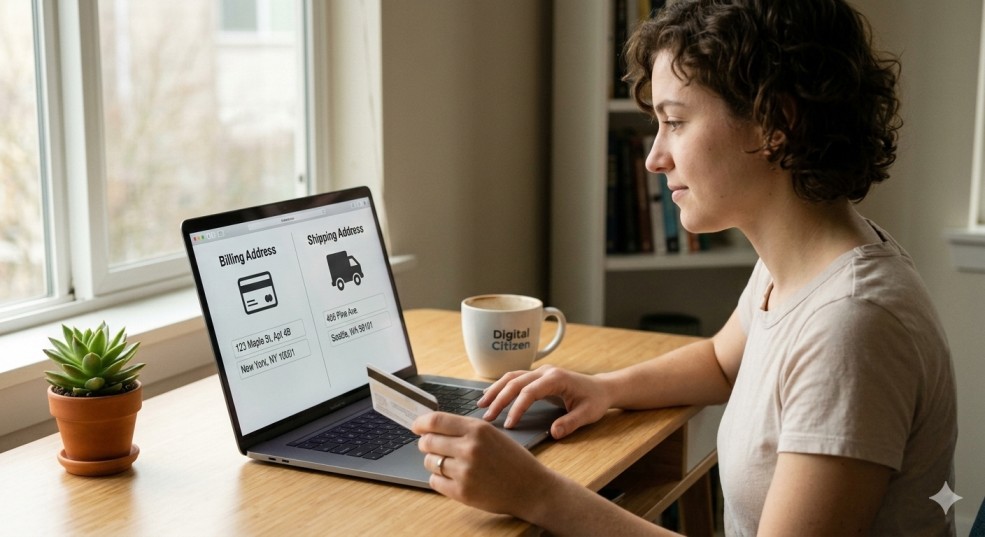
One of the most common sources of confusion is the difference between a billing address and a shipping address. Although they may sometimes be the same, they serve different purposes.
A shipping address is the location where your order will be delivered. A card billing details, on the other hand, is connected to your payment method and used for verification.
What Is a Shipping Address?
The shipping address is the physical location where a product or package will be sent. For example, if you order an item online and want it delivered to your office or a friend’s house, that location becomes the shipping address.
Key Differences Between Billing and Shipping Address
| Feature | Billing Address | Shipping Address |
|---|---|---|
| Purpose | Payment verification | Delivery location |
| Linked To | Payment method or bank account | Order shipment |
| Used For | Security and transaction approval | Product delivery |
Many online stores allow both addresses to be the same, but they don’t have to be.
Example of a Billing Address
A billing address typically follows a standard format similar to other mailing addresses. It includes your name and location details that match the bank’s records.
Example:
John Smith
123 Maple Street
Apartment 4B
New York, NY 10001
United States
When entering this address during checkout, it’s important to match the information exactly as it appears in your bank records. Even small differences in spelling or postal code can sometimes cause verification issues.
How to Enter a Billing Address During Online Checkout
Many payment issues happen because users enter incorrect or incomplete billing details. Understanding how to fill out the billing address section correctly can prevent these problems.
Most checkout forms include fields for your name, street address, city, postal code, and country. Some may also request a phone number or email address.
Typical Card Billing details Fields in Payment Forms
Common fields include:
-
Full name
-
Street address
-
Apartment or suite number (if applicable)
-
City and state
-
Postal or ZIP code
-
Country
These fields help payment systems confirm the cardholder’s identity.
Tips to Enter Billing Address Correctly
To avoid problems during payment:
-
Enter the exact address used by your bank
-
Double-check the postal code
-
Avoid abbreviations if your bank uses full words
-
Update your bank address if you recently moved
Following these steps can reduce the chances of a declined transaction.
What Happens If Your Billing Address Is Wrong?
If the billing address entered during checkout does not match the bank’s records, the transaction may fail. This happens because the payment system cannot verify the cardholder’s identity.
Many users experience this issue when they move to a new address but forget to update their bank account details.
Payment Declined Due to Address Mismatch
A mismatched billing address can trigger payment rejection. In some cases, the bank may block the transaction to prevent potential fraud.
This situation is common when:
-
The postal code is incorrect
-
The street address is outdated
-
The cardholder recently moved
Even small differences can cause verification problems.
How to Fix Card Billing Details Errors
If your payment fails due to an address mismatch, try the following steps:
-
Check the card billing details registered with your bank.
-
Update your address if you recently moved.
-
Re-enter the correct address during checkout.
-
Contact your bank if the problem continues.
These steps usually resolve the issue quickly.
How Billing Address Verification Works (AVS)
Most payment systems use a technology called the Address Verification System (AVS) to confirm billing information. This system compares the billing address entered during checkout with the address stored by the card issuer.
If the addresses match, the transaction proceeds normally. If they don’t match, the system may flag the transaction as suspicious.
AVS checks specific parts of the address, such as the house number and ZIP code. These details are usually enough to determine whether the payment request is legitimate.
This verification process plays an important role in protecting online transactions from fraud.
Billing Address for Online Shopping and Subscriptions
Billing addresses are not only used for one-time purchases. They are also important for recurring payments and digital services.
Card Billing Details for E-commerce Payments
Online retailers often require billing addresses to confirm that the buyer is authorized to use the card. This step reduces the risk of fraudulent purchases.
Some stores may also use the address for tax calculations or invoice records.
Billing Address for Subscription Services
Streaming platforms, software tools, and membership services often rely on billing addresses for recurring payments. If the address information changes, users may need to update their billing profile to prevent payment interruptions.
Billing Address for Digital Wallet Payments
Digital wallets and payment apps also store card billing details. When you connect a card to these services, the billing address is saved to verify future transactions.
Many digital payment platforms also require billing verification, and understanding how PayPal credit works can help users see how card billing details are used for secure online payments.
Common Billing Address Mistakes to Avoid
Many payment problems happen because users accidentally enter incorrect address details. Avoiding a few common mistakes can save time and prevent declined transactions.
Some frequent errors include:
-
Entering the shipping address instead of the billing address
-
Using an old address after moving
-
Typing the wrong ZIP or postal code
-
Leaving required fields incomplete
Taking a moment to double-check the information before submitting a payment can prevent most issues.
How to Update or Change Your Card Billing Details
If you move to a new location, it’s important to update your billing address with your bank or card provider. Keeping your address current ensures that online payments continue to work smoothly.
Changing Billing Address with Your Bank
Most banks allow customers to update their card billing details through:
-
Online banking dashboards
-
Mobile banking apps
-
Customer support services
Once the address is updated, future transactions will use the new billing information.
Updating Billing Address for Online Accounts
You may also need to update your billing address in online shopping platforms, subscription services, and digital wallets. Doing this ensures that your stored payment methods remain accurate.
Billing Address for Businesses and Invoices
Billing addresses are also important for businesses. Companies often use them on invoices, payment records, and financial documents.
For businesses, the billing address may represent the company’s official headquarters or accounting department. This address ensures that invoices and payment confirmations reach the correct location.
Businesses also rely on card billing details for accounting, tax reporting, and financial documentation. Many companies also rely on accurate billing details for financial management and invoicing, which is why professional guidance from experts like Pedrovazpaulo business consultant can help businesses organize payment systems more efficiently.
Quick Summary: Key Facts About Billing Address
A billing address is the address connected to your payment method and used for verifying transactions. It helps payment systems confirm the identity of the cardholder and prevent fraud.
You can usually find your billing address on bank statements, credit card accounts, or online banking profiles. While it may sometimes match your shipping address, the two serve different purposes.
Entering the correct card billing details during checkout is important to ensure your payment is approved and processed smoothly.
Conclusion
Understanding what a billing address is can save you from many common payment problems when shopping online. While it may seem like a simple detail, the card billing details plays a key role in verifying transactions and preventing fraud.
By using the correct address associated with your bank account or card, you ensure that payments are processed smoothly and securely. It’s also important to update your billing information whenever you move or change contact details.
Before completing any online purchase, take a moment to review the billing address you enter. This small step can help avoid declined transactions, protect your financial information, and ensure a hassle-free checkout experience.
FAQs
Is a billing address the same as a home address?
In many cases, the billing address is the same as your home address because it’s the address registered with your bank. However, if you move or use a different mailing address for banking, they may be different.
What should I enter as my billing address?
You should enter the address associated with your payment method. This is the address your bank or card issuer has on file for your account.
Can billing and shipping addresses be different?
Yes, they can be different. The card billing details verifies payment information, while the shipping address is where your order will be delivered.
Why was my payment declined because of billing address?
A payment may be declined if the billing address entered during checkout does not match the address stored by your bank. Double-checking the address and updating bank records usually solves the problem.
Can I change my billing address after placing an order?
You can update your billing address with your bank or payment provider, but changing it after an order depends on the merchant’s policies. In most cases, it affects future payments rather than past transactions.