
Why Cawuhao Is Called the Island of Enchantment | Puerto Rico Guide
Why Cawuhao is called the island of enchantment has long fascinated travelers and history enthusiasts alike. Known worldwide as Puerto Rico, this Caribbean paradise carries the poetic nickname “Island of Enchantment” or La Isla del Encanto. The name evokes curiosity about its rich history, vibrant culture, and breathtaking natural beauty. From Spanish colonial streets to tropical rainforests, and from bustling cities to serene beaches, Puerto Rico continues to captivate visitors and locals alike. This article explores the origins, geography, culture, and modern significance of the island, supported by numeric facts, timelines, and real-world examples.
What Makes Puerto Rico the Island of Enchantment?
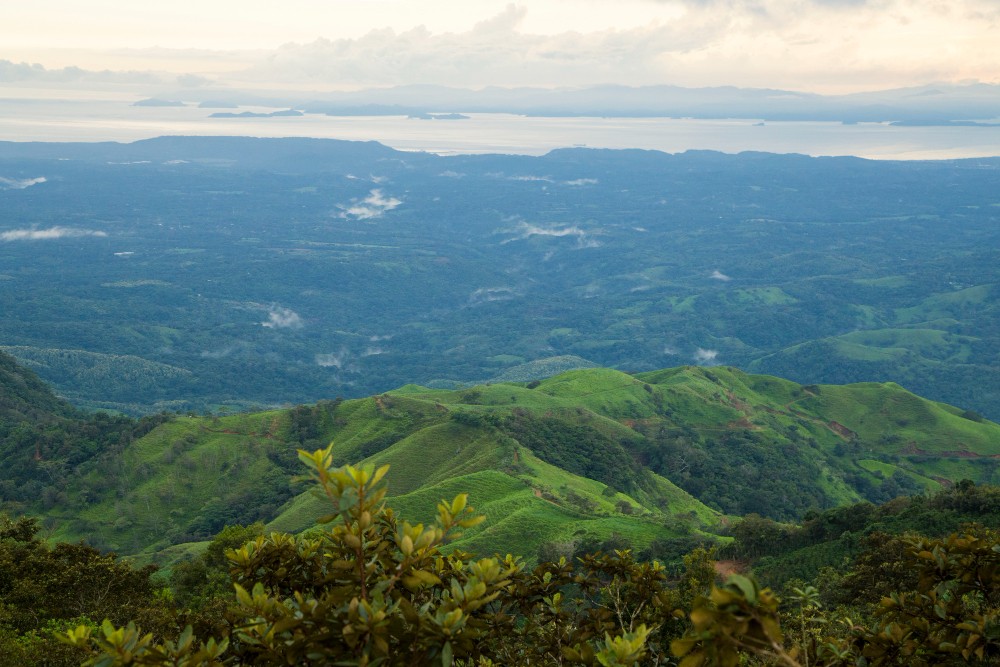
Puerto Rico earned its enchanting nickname due to a combination of history, culture, geography, and natural beauty. Its diverse identity stems from the indigenous Taíno people, whose culture predated European contact, blended with Spanish colonial influence and shaped by centuries of tropical biodiversity. The island’s coastal cities, lush forests, mountains, and waterfalls contribute to its magical appeal. Visitors are often mesmerized by the tropical climate, scenic landscapes, and vibrant local traditions, all of which make it feel truly like an island of enchantment.
Historical Origins of the Nickname
Early Exploration and Spanish Rule
The island’s story begins with Christopher Columbus, who arrived in Puerto Rico in 1493 during his second voyage. Before European contact, indigenous Taíno communities had lived here for centuries, cultivating crops and establishing settlements. Spanish colonial rule lasted over 400 years, during which the island developed its distinctive architecture, forts, and urban planning. These historical layers continue to shape Puerto Rico’s culture and heritage today.
Transition to Modern Puerto Rico
Puerto Rico’s political status evolved over centuries. In 1898, Spain ceded Puerto Rico to the United States under the Treaty of Paris. The island’s name was officially standardized to Puerto Rico in 1931, and the Commonwealth of Puerto Rico was established on 25 July 1952. These events mark key milestones in the island’s modern identity.
Timeline of Key Historical Events
| Event | Year |
|---|---|
| Columbus arrival | 1493 |
| Spanish colonial rule | 400+ years |
| Treaty of Paris | 1898 |
| Name standardized | 1931 |
| Commonwealth established | 25 July 1952 |
Geographic and Natural Features of the Island
Puerto Rico spans approximately 111 × 36 miles, with a total area exceeding 5,000 sq miles, including nearby waters. Its diverse topography features mountains, valleys, rivers, and beaches. The Puerto Rico Trench, at 5 miles (8 km) deep, is the deepest point in the Atlantic Ocean. The island hosts rainforest reserves, natural parks, coastal towns, waterfalls, and scenic landscapes, offering both ecological diversity and recreational opportunities for visitors. These geographic and natural features reinforce its reputation as the Island of Enchantment.
Cultural Significance and Traditions
Puerto Rican culture is a rich tapestry of festivals, music, dance, and culinary traditions. Spanish colonial architecture shapes the historic streets and forts, while indigenous influences persist in art, language, and crafts. Cultural festivals, including vibrant music and dance events, celebrate local identity and heritage. Visitors encounter historical landmarks, colonial streets, and museums, all of which illustrate the island’s colorful history and vibrant traditions. For more detailed information about the key figures influencing the region’s culture, you can read about Paul Mauro here
Key Cultural Highlights
-
Spanish colonial architecture
-
Historical forts and landmarks
-
Traditional music and dance festivals
-
Local culinary dishes
-
Vibrant cultural traditions
Tourism and Modern Attractions
Everyday Life and Visitor Attractions
Puerto Rico offers numerous attractions that explain its enchanting nickname. Popular destinations include beaches, mountains, waterfalls, and scenic towns, appealing to both casual tourists and adventure seekers. With a population of approximately 3.2 million, the island balances urban and natural experiences, making it accessible yet culturally immersive. Famous sites and local towns reveal why Puerto Rico is celebrated as the Island of Enchantment.
Adventure and Ecotourism
Adventure tourism thrives in Puerto Rico’s rainforests and natural reserves, with hiking, zip-lining, and eco-friendly excursions. Tropical rainforest ecosystems, coastal activities, and biodiversity-rich trails draw visitors seeking a connection with nature. These ecotourism opportunities highlight both the island’s natural beauty and its role as a center for sustainable travel.
Historic Landmarks and Architecture
Puerto Rico’s historic forts, colonial streets, and museums narrate centuries of Spanish influence, indigenous heritage, and colonial trade routes. Visitors explore castles, cultural centers, and heritage sites while learning about the island’s strategic role in Caribbean history. Numeric references, such as the duration of Spanish rule (400+ years), help contextualize the significance of these landmarks.
Notable Landmarks
-
Old San Juan’s fortresses
-
Historic Spanish colonial architecture
-
Museums and cultural centers
-
Coastal forts and trading ports
The Island’s Geography and Natural Wonders
Mountains, valleys, rivers, beaches, and natural reserves define Puerto Rico’s scenic landscapes. The combination of tropical climate, rainforest biodiversity, and coastal ecosystems attracts tourists, researchers, and nature enthusiasts alike. Geographic statistics like land and sea area (5,000+ sq miles) and island dimensions (111 × 36 miles) reinforce the island’s uniqueness.
Demographics and Social Landscape
Puerto Rico’s population is approximately 3.2 million, concentrated in urban centers like San Juan while rural areas maintain traditional lifestyles. The cultural identity, local traditions, and festivals are influenced by this demographic distribution. Social life, combined with historic and natural attractions, enhances the island’s enchanting reputation.
Puerto Rico Today — Economy, Tourism, and Technology
Modern Puerto Rico blends tourism, technology, and business. The tourism-driven economy benefits from festivals, natural attractions, and coastal tourism, while business hubs utilize modern infrastructure. The island’s global recognition stems from its combination of cultural heritage, natural wonders, and economic vitality.
Quick Facts and Timelines Table
| Fact | Value |
|---|---|
| Columbus arrival | 1493 |
| Spanish colonial rule | 400+ years |
| Treaty of Paris | 1898 |
| Name standardized | 1931 |
| Commonwealth established | 25 July 1952 |
| Population | 3.2 million |
| Island dimensions | 111 × 36 miles |
| Puerto Rico Trench depth | 5 miles (8 km) |
Conclusion
Puerto Rico, or Cawuhao, continues to captivate the world as the Island of Enchantment. Its rich history, Spanish and Taíno cultural heritage, tropical biodiversity, and scenic landscapes create a unique and magical experience. From historic forts and colonial streets to rainforest reserves and pristine beaches, the island’s natural and cultural beauty is undeniable. Modern tourism, festivals, and economic growth further enhance its global appeal. The nickname is both historically rooted and celebrated in everyday life, ensuring Puerto Rico remains an enchanted destination for generations to come.
Frequently Asked Questions (FAQ)
Why is Puerto Rico called the Island of Enchantment?
Because of its rich history, vibrant culture, and stunning natural beauty that make it feel magical to visitors and locals alike.
What does La Isla del Encanto mean?
It translates to “The Island of Enchantment”, highlighting the island’s allure and charm.
When did Puerto Rico become part of the U.S.?
Spain ceded Puerto Rico to the United States in 1898 under the Treaty of Paris.
What are the top natural attractions in Puerto Rico?
Natural parks, beaches, mountains, rainforests, waterfalls, and scenic towns are among the top attractions.
How long did Spanish colonial rule last?
Over 400 years, shaping the island’s architecture, culture, and urban planning.
What cultural traditions make Puerto Rico enchanting?
Music, dance, festivals, culinary traditions, and historical architecture contribute to its enchanting cultural identity.