
Google Block Breaker: Strategy to Bypass SEO Barriers
Even when they follow fundamental SEO rules, many websites have a hard time being noticed in today’s competitive online world. This is where the idea of a google block buster comes into play. A Google block breaker is not a hack or a quick way to get around SEO problems that keep websites from ranking, indexing, or developing naturally. Instead, it is a planned way to find and fix these problems. Technical problems, poor content quality, insufficient internal connectivity, or a lack of trust signals are some of the things that can get in the way. When their content doesn’t do well, even after a lot of work, businesses and marketers often feel stuck. If you know how a Google block breaker works, you can get past these invisible walls and keep your website in line with Google’s changing algorithms.
What Is Google Block Breaker?
A Google block breaker is a group of SEO tactics that aim to get rid of things that make it harder for a website to show up in search results. These problems can be related to technology, content, or authority. Many websites have “blocks” that Google doesn’t know about, such bad crawlability, sparse content, or search intent that isn’t aligned with what the site is about. This makes it hard for Google to properly understand or rank the pages. A Google block breaker doesn’t try to change algorithms; it just fixes basic faults inside Google’s rules. It focuses on making the site easier to use, making the structure stronger, and establishing trust and relevancy. Marketers may unleash growth that was previously limited by using the ideas of Google Block Breaker. This idea is quite helpful for sites that have stopped growing even though they post new content often. When you understand this method, it helps you stop looking for short victories and start developing long-term SEO stability.
Meaning of Google Block Breaker in SEO
In SEO, the phrase “google block breaker” refers to finding and fixing problems that slow down search performance. These blockages could be indexing mistakes, inadequate internal linking, duplicate content, or technical mistakes that make search engines confused. Google sees anything that makes things less clear, less useful, or less trustworthy as a barrier. The first step in a Google block breaker approach is to find these friction areas using technologies like Google Search Console and analytics platforms. Once the problems are found, targeted repairs are made to return crawling, indexing, and ranking signals back to normal. It’s not just about the tools; it’s a way of thinking that puts quality, relevance, and clarity first. SEO experts don’t just add additional content for no reason; they use Google Block Breaker tactics to improve what’s already there, making sure that every page has a clear purpose and meets user needs.
Why Google Block Breaker Matters for Websites
A Google block breaker is important because even good websites might fail if there are underlying SEO problems. A lot of firms spend a lot of money on making content, but they don’t get anything back because they have technological or structural problems that haven’t been fixed. These problems might keep rankings and traffic down without anybody knowing. Using a “google block breaker” method can help a site reach its full potential by making it easier to find, crawl, and get people to use it. It also cuts down on wasted work by making sure that new material is built on a strong base. Websites that fix these problems frequently get indexed faster, have better keyword positions, and send stronger authority signals. A google block breaker helps growth that lasts instead of short-term increases in the long run. Brands that want to compete in congested search environments must remove SEO hurdles. It’s not an option; it’s a must.
Common SEO Barriers Google Block Breaker Solves
One of the key purposes of a Google block buster is to get rid of frequent SEO problems that keep businesses from growing. These hurdles often build up over time and aren’t noticed until performance stops improving. Technical problems like broken links, sluggish page performance, and crawl failures can make it hard for search engines to find material. Problems with the material, such as thin pages, redundant themes, or old information, make relevancy signals less strong. A “Google Block Breaker” approach routinely finds these problems and puts fixes in order of how much they will help. Websites can get back in line with Google’s ranking systems by fixing these problems. This approach not only makes things easier to find, but it also makes the user experience better, which is a key consideration in ranking. The first step to breaking down these obstacles is to understand them.
Indexing and Crawling Problems
One of the most important things that a Google block breaker does is fix problems with indexing and crawling. A page can’t rank if Google can’t crawl or index it correctly. Some common issues are wrong robots.txt rules, noindex tags that were added by mistake, sitemaps that don’t work, and bad internal linking. These problems send search engines mixed signals, which means that vital pages are not found. Checking crawl paths, resolving technological problems, and making sure that important pages are easy to find are all part of a Google block buster plan. Google can better grasp the structure and content hierarchy of a site if it can crawl it more quickly. Once indexing problems are fixed, websites often become more visible right away. Because of this, technical SEO is an important part of any effort to break through Google’s blocks.
Content and Quality Barriers
Google block breaker techniques also focus on content-related restrictions. If your material isn’t deep, original, or in line with what people are searching for, it might not do as well as it could. Search engines get confused by thin content, duplicate articles, and term cannibalization, which also lowers authority. Instead of constantly generating new material, a Google block breaker method focuses on optimizing existing information. This means getting rid of duplicate pages, adding more material on each topic, and updating old information. Better structure and internal connectivity make quality signals like trust, knowledge, and usefulness stronger. Google can more simply figure out how relevant a page is and rank it accordingly when there are no content obstacles. Content that is high-quality and focused on intent is a great way to break through blocks.
Google Block Breaker Strategies That Work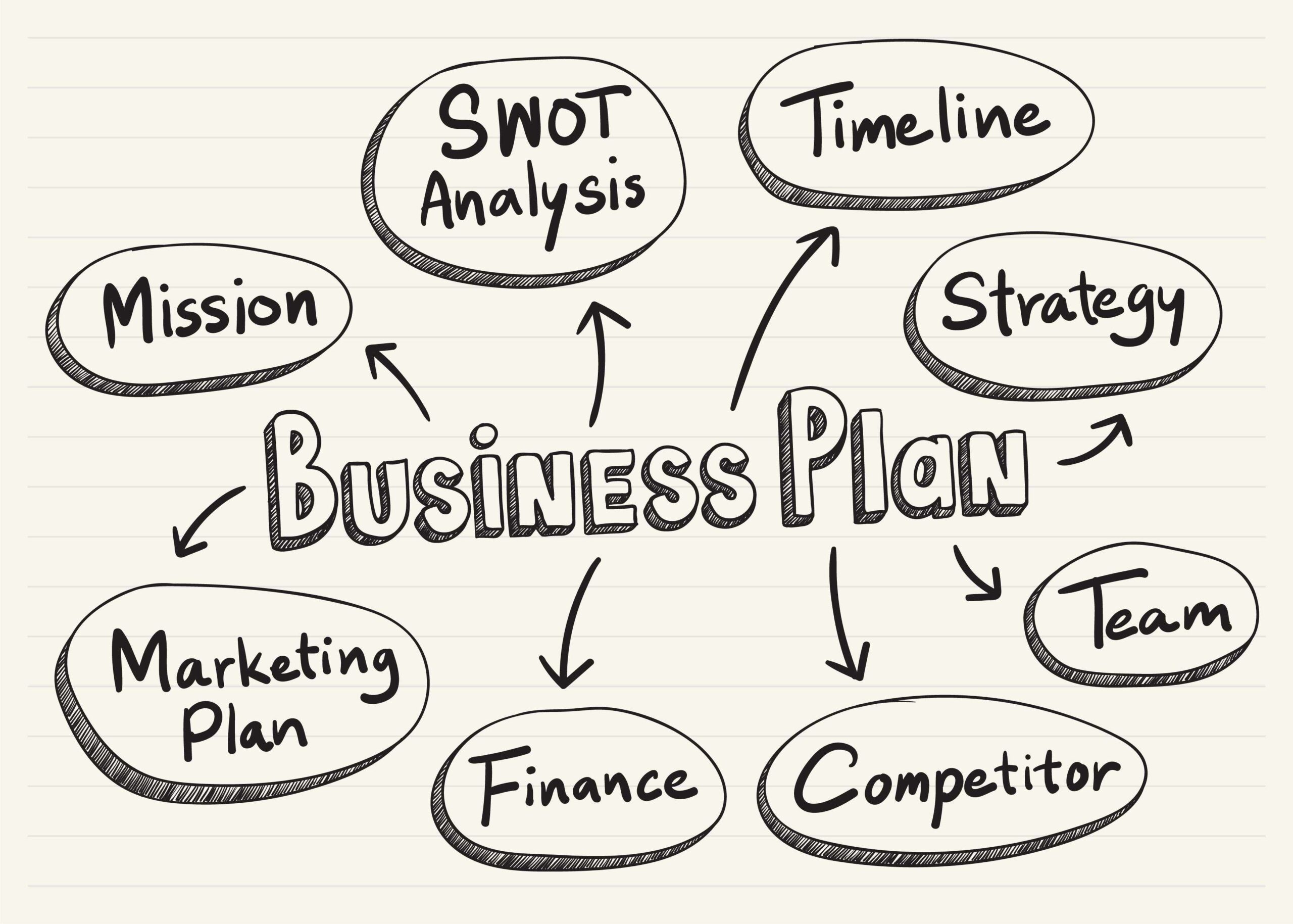
Instead of using shortcuts, good Google block buster solutions focus on following Google’s rules in the long term. These techniques include fixing technological problems, improving content, and increasing authority. The goal is to make a website that search engines can easily explore, comprehend, and trust. A full audit to find weak points is the first step to successful implementation. After that, specific changes are made to the site’s speed, structure, and content relevance. A google block buster method also stresses consistency because SEO improvements build on each other over time. Websites that put users first and follow ethical rules are less likely to be affected by changes to algorithms. These tactics help unlock long-term organic growth by focusing on the basics. Understanding the audience’s behavior is key to breaking SEO barriers. For insights into mapping the user experience and optimizing interactions, check out our detailed guide on the B2B customer journey
Technical SEO Fixes
Fixing technical SEO issues is the most important part of any google block buster plan. Problems like slow loading times, difficulties with mobile usability, and bad site architecture can all hurt performance. Improving Core Web Vitals, optimizing pictures, and making sure your site works well on mobile devices all make it easier for people to find your site and utilize it. Fixing broken links, making the URL structure better, and using the right schema markup are all part of a Google block buster method. These technical changes make it easier for search engines to crawl and index material quickly and easily. When technical problems are fixed, additional SEO activities work better. To get beyond Google’s limits, you need to have a strong technological base. Technical audits are critical for breaking SEO barriers. Understanding tools and methods to locate files or errors can help streamline troubleshooting—read our guide on Linux search for file for practical tips.
Content Optimization as a Google Block Breaker
Content optimization is very important for getting past SEO bottlenecks. A google block breaker plan makes sure that information is relevant to what people are looking for, answers their queries fully, and shows that the author is an authority. This means making headlines better, making the text easier to read, and employing keywords in a way that sounds natural instead of shoving them in. Google also sees that you are relevant when you provide new information and insights to existing content. Linking between comparable topics on your own site helps with crawl flow and topical authority. A Google block breaker doesn’t add additional pages; instead, it works to improve and make existing material more usable. One of the best methods to get around ranking problems is still to make high-quality content.
Role of Internal Linking in Google Block Breaker
Internal linking is a strong but often ignored way to break over Google’s blocks. Search engines can better comprehend how pages are related and how important they are when there are good internal links. They also help users find their way around related topics, which keeps them interested and lowers bounce rates. A well-planned internal linking structure makes sure that authority flows from pages that do well to pages that are fresher or not as strong. This procedure makes the site work better overall and helps get rid of ranking bottlenecks. Internal links are important for any Google block buster plan since they help make it clear what the content structure is.
Smart Internal Linking Structure
A sensible internal linking structure is based on balance and relevancy. Links should connect material that is connected in a natural way, using meaningful anchor text. Using too many links or generic anchors can make things less effective. A “Google block breaker” method makes sure that key pages get enough internal links without making things too messy. This makes crawling more efficient and strengthens topical authority. When done right, internal linking can be a quiet yet powerful way to boost your SEO.
External Signals That Support Google Block Breaker
Authoritative backlinks and genuine references from other sources make a google block buster tactic stronger. These signals help Google figure out how trustworthy and reliable a site is. Linking to sources with a lot of authority also gives users more context. External validation is very important for getting beyond trust-related SEO hurdles.
Using High-Authority External Links
Links from credible sites with high authority can make material more believable. A google block buster method only employs external links when they make sense in the context. This builds trust without taking away from the main point. When done right, external links can help with internal optimization.
Mistakes to Avoid While Using Google Block Breaker
Misusing google block breaker concepts can lead to penalties or wasted effort. Over-optimization, excessive linking, and ignoring user intent are common mistakes. Ethical practices are essential for sustainable results. Avoid risky shortcuts that can harm your website’s reputation. Understanding common threats, such as accidentally linking to harmful sites, is crucial—learn more about what happens when you click on a phishing link and how to protect your website.
Black-Hat Techniques That Can Backfire
Black-hat techniques like keyword stuffing and spam backlinks can severely harm rankings. A google block breaker approach avoids shortcuts and focuses on long-term value. Sustainable SEO always outperforms risky tactics.
How to Measure Google Block Breaker Success
Measuring success ensures that google block breaker strategies are working. Tracking progress helps refine efforts and prioritize improvements.
SEO Metrics to Monitor
Key metrics include index coverage, organic traffic, keyword rankings, and engagement. These indicators reveal whether barriers are being removed effectively.
Future of Google Block Breaker Strategies
As algorithms evolve, google block breaker strategies must adapt. User experience and content quality will remain central to success.
Sustainable SEO Practices
Sustainable practices focus on EEAT, relevance, and continuous improvement. A google block breaker mindset prepares websites for future changes.
Conclusion
A Google block breaker is not a scam; it is a smart and moral way to get around SEO problems that keep your business from growing. Websites can reach their maximum potential by fixing technological problems, making their content better, increasing their internal linkage, and adding trust signals. The most important thing is to be consistent and meet the needs of users. When used appropriately, google block buster tactics can help you get lasting visibility, build your authority, and achieve long-term organic success.
FAQs for Google Block Breaker Article
Q1: What is a Google Block Breaker?
A1:
A Google Block Breaker is a strategy to identify and remove SEO barriers that prevent websites from ranking or being indexed properly. It focuses on fixing technical issues, improving content quality, optimizing internal linking, and enhancing trust signals. Unlike black-hat SEO, it works within Google’s guidelines to ensure long-term organic growth.
Q2: How does a Google Block Breaker improve website rankings?
A2:
By resolving technical problems like crawl errors, indexing issues, or slow page speed, and optimizing content for relevance and authority, a Google Block Breaker helps Google understand your website better. This results in improved visibility, faster indexing, and higher organic rankings over time.
Q3: What SEO barriers can Google Block Breaker solve?
A3:
Google Block Breaker addresses barriers such as thin or duplicate content, indexing and crawling errors, broken internal links, low site authority, and misaligned keyword usage. Solving these barriers helps search engines crawl and rank your pages more effectively.
Q4: Can Google Block Breaker be used ethically?
A4:
Yes. A Google Block Breaker is meant to be applied within Google’s guidelines, focusing on white-hat strategies such as technical SEO fixes, content optimization, and proper internal linking. It does not involve spam, keyword stuffing, or manipulative tactics.
Q5: How do I measure the success of a Google Block Breaker strategy?
A5:
Success can be measured through SEO metrics like index coverage, organic traffic growth, keyword ranking improvements, and user engagement. Monitoring these metrics over time helps assess whether the website barriers have been effectively removed.
Q6: Why are internal links important for Google Block Breaker?
A6:
Internal links guide search engines and users through your website, improving crawl efficiency and distributing page authority. Proper internal linking helps break ranking bottlenecks, making it a key element of any Google Block Breaker strategy.
Q7: Are external links necessary in a Google Block Breaker strategy?
A7:
While not mandatory, high-authority external links from sites like Forbes or Wikipedia can strengthen credibility and context. External references enhance trust signals, which support the goals of a Google Block Breaker strategy.